Ford Cars to Get a Smart and Efficient “Radar” to find other cars
In the future world of connected cars, Vehicle-to-Everything (V2X) technology promises that your car can talk with other vehicles, traffic lights, road sensors, and even with pedestrians’ smartphones.
So, when you are driving on a busy road, your car navigation screen is buzzing with dots, like vehicles ahead, behind, across the street, and even way down roads you’ll never take.
And that’s when it becomes too much information for a car to handle.
If your vehicle shows everything, your dashboard becomes a digital soup of moving icons.
The system’s computer is constantly juggling hundreds of messages per second, and you, the driver, are left wondering: which of these vehicles matter for my trip?
That’s where Ford steps in with a clever new solution.
From Chaos to Clarity
The challenge is simple to understand but tricky to solve.
V2X means your car can “hear” every other connected car in range, sometimes more than a dozen.
A patent application discusses Ford’s new system that focuses on the vehicles that are important for a route and ignores others as long as they don’t cross paths.
This system provides only the relevant information that you need.
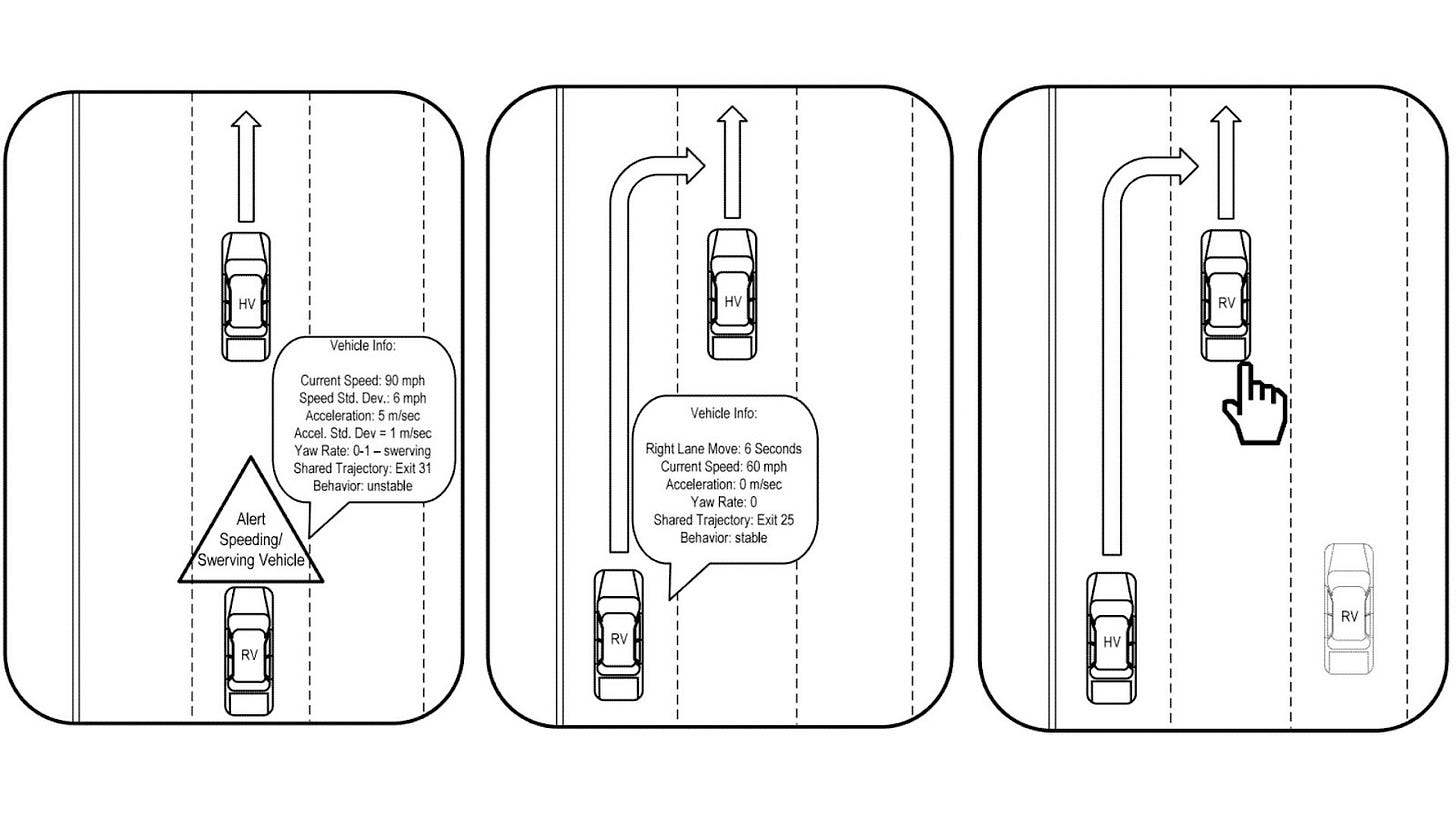
Here’s how it works under the hood:
- Listening to the Crowd: Your car gathers incoming messages from every V2X-enabled vehicle, traffic light, and road sensor nearby.
- Name Tags for Cars: It gives each one a unique ID so it knows who’s who, even if you keep passing them in and out of range.
- Crystal Ball Predictions: Using each vehicle’s speed and direction, it predicts where they’ll be shortly.
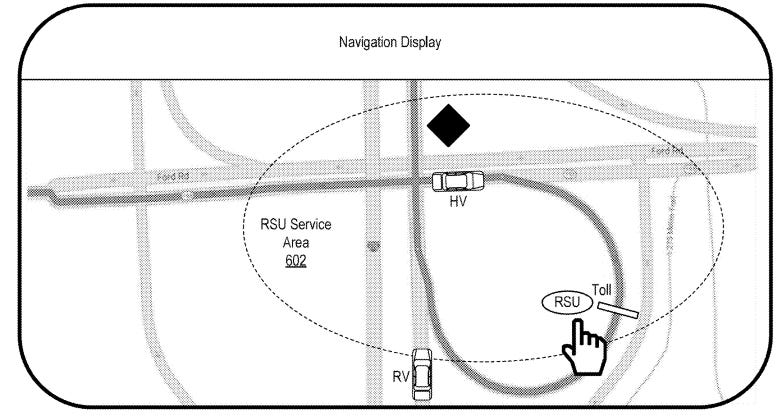
- Interest Neighborhood: Your navigation route acts like a filter. Only the vehicles that are close enough to potentially affect your trip make it through.
- Clean Map Display: On your dashboard, you see your planned route plus just the cars that matter, so no clutter, no noise.
Why It Matters
For drivers, this means less distraction and more focus. Instead of wondering if that fast-moving truck three streets over will ever cross your path, your system quietly ignores it. If a car is relevant, say, it’s coming up behind you or merging ahead, it’s highlighted right where you can see it.
For automakers, it means less strain on the car’s processors and an easier path to integrating V2X into navigation and safety systems. It’s a leaner and a faster way to handle the flood of incoming data.
For cities, it opens the door to safer roads and better real-time traffic management. The same filtering principles could help autonomous fleets make quick, smart decisions without getting bogged down in irrelevant details.
The Everyday Impact
Think of it like switching from an overwhelming group chat to a one-on-one conversation. Instead of your dashboard becoming a noisy crowd of dots, you get a radar-like display that feels almost like a video game but with real safety benefits. It’s futuristic without being flashy, and the result is something every driver, from daily commuters to future self-driving passengers, can appreciate.
Sure, most people will never see the “magic” behind the scenes. They’ll just notice that their navigation map feels cleaner, calmer, and more relevant. But behind that simplicity is some pretty sophisticated thinking. It proves that sometimes, the smartest tech isn’t the one that shows you more, but the one that shows you less.