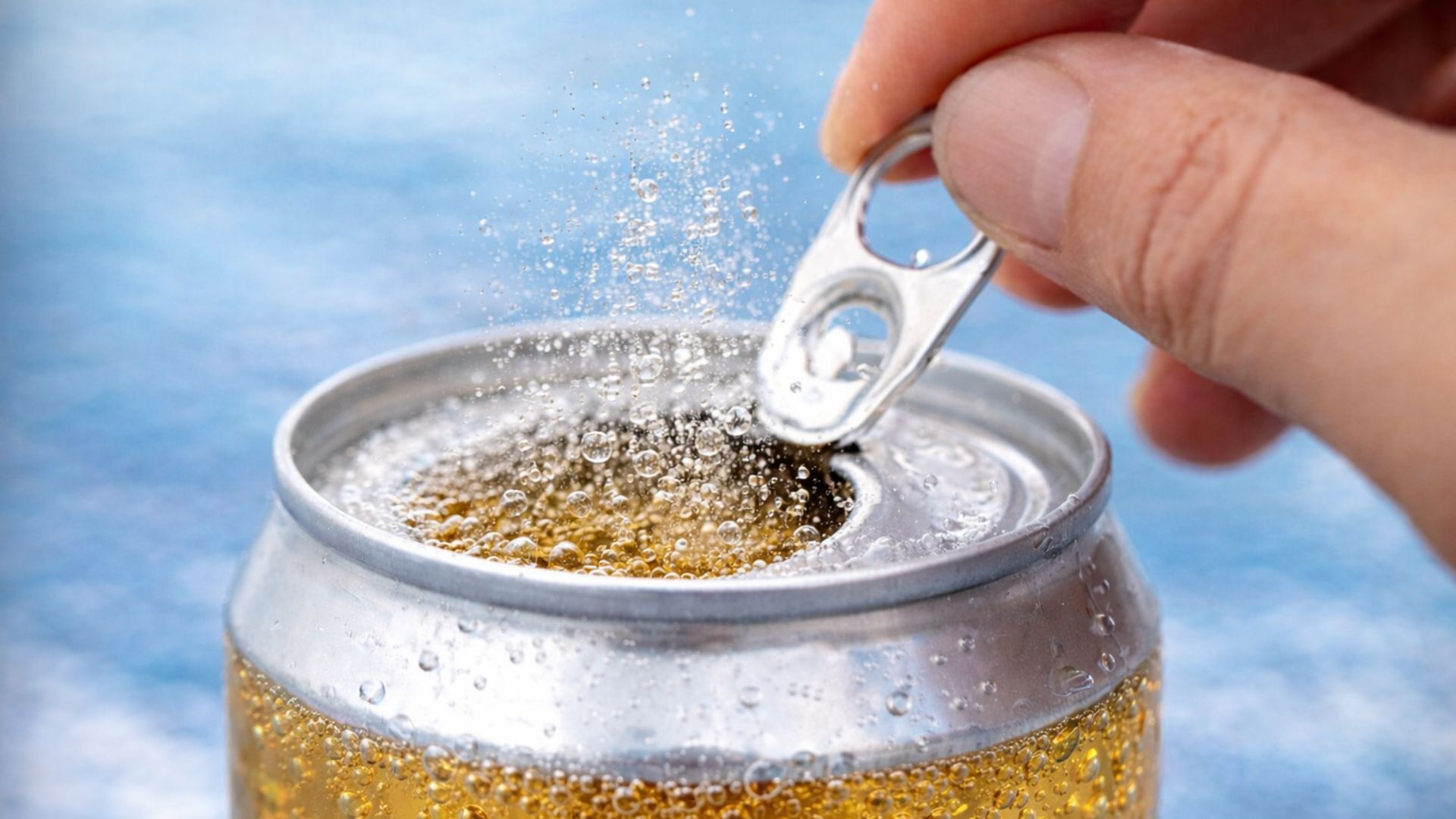
For most of modern history, opening a drink has been a forgettable moment. You twist the cap, hear a soft hiss, and take a sip. The experience ends there. But in recent years, researchers, designers, and brands have started asking a new question: What if opening a drink could feel like watching a small experiment unfold?
This idea may sound unusual, but it reflects a wider shift in consumer products. Today, people do not just buy for taste or appearance. They buy for moments, emotions, and stories. A product is no longer judged only by how it looks on a shelf, but by how it feels when used.
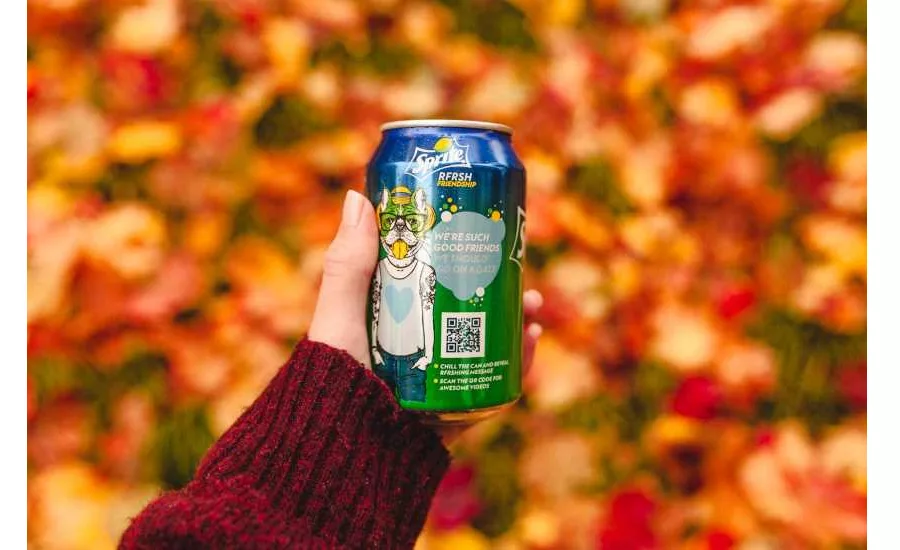
For example, some limited-edition beverages from companies like The Coca-Cola Company have featured color-changing labels and bottles that respond to temperature.
Meanwhile, PepsiCo has experimented with interactive packaging and special-edition designs aimed at social media users and personalization.
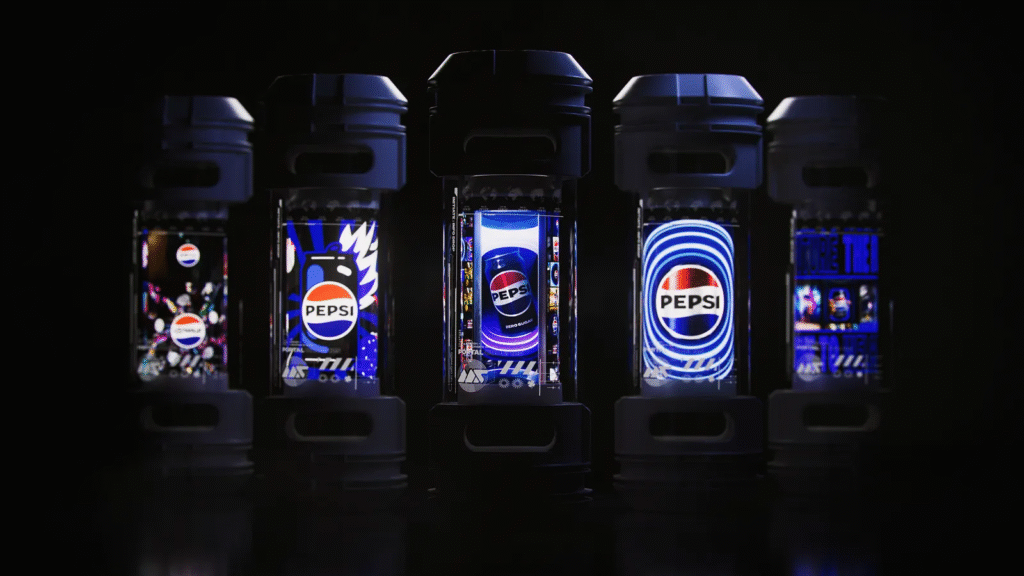
These products are designed not just to be consumed, but to be shared, recorded, and talked about.
In this era, experience has become as important as flavor.
As a result, many new innovations are taking place including a new patent from Asahi Group Holdings that shows how fruit inside a fizzy drink can be turned into a carefully engineered visual event.
From Drinking to “Experiencing”
The beverage industry is facing intense competition. Thousands of brands offer similar flavors, similar prices, and similar packaging. In such a crowded space, standing out through taste alone is difficult.
As a result, companies are focusing more on:
- How a product feels to use
- How surprising it is
- How memorable it becomes
- How shareable it looks online
In recent years, companies have launched drinks with floating jelly cubes, layered colors, glow-in-the-dark packaging, and limited-edition bottles linked to movies or events. These products may not taste very different from regular drinks, but they feel different.
The idea simply here is for people to remember experiences better than ingredients.
Asahi’s patent fits directly into this trend. Instead of adding digital screens, lights, or complicated mechanisms, it tries to create a new experience using nothing more than fruit, gas, and physics.
When the can is opened, the fruit inside slowly rises to the surface, creating a small but fascinating visual moment. It is subtle, but it feels special.
The Challenging Part
Making fruit float inside a fizzy drink may seem simple, but in reality it is difficult to control. Inside a sealed container, high pressure keeps gas dissolved, the liquid remains stable, and objects stay in place. When the drink is opened, pressure drops, gas escapes, bubbles form, and the liquid’s behavior changes instantly.
Because of this, fruit added to soda may sink, float too quickly, break apart, or behave differently in each bottle. For companies producing millions of units, such unpredictability is unacceptable.
Although brands have tried solutions like jelly pieces, layered liquids, capsules, and temperature-sensitive materials, many are costly, fragile, or hard to scale. The real challenge is achieving consistent performance, because even small variations can break the intended experience.
This is the problem Asahi’s patent tries to solve.
How Asahi Creates a Controlled Visual Experience
Instead of treating fruit as a simple ingredient, the patent treats it as a carefully designed component.
The solution is based on three main ideas/steps:
Step 1: Preparing the Fruit
The fruit is dried and cut to specific thickness levels. It is not too thick and not too thin.
This matters because thickness affects weight and strength. The right balance allows the fruit to stay submerged while sealed and float after opening.
Sometimes, the fruit is also coated with sugar and dried again. This strengthens it and helps control how much liquid it absorbs.
In simple terms, the fruit is “engineered” to behave predictably.
Step 2: Adjusting the Carbonation
The amount of carbon dioxide in the drink is carefully chosen.
More gas means more bubbles when the can is opened. These tiny bubbles attach to the fruit and make it lighter, helping it rise.
The company matches the gas level with the fruit’s thickness. Thin fruit needs less gas. Thicker fruit needs more.
This pairing ensures the floating happens at the right moment.
Step 3: Controlling Packaging Conditions
Before sealing, air is often replaced with nitrogen or carbon dioxide. This prevents unwanted reactions and keeps the environment stable.
The pressure inside the container is also tightly controlled. Too much pressure can damage the fruit. Too little pressure can ruin the effect.
When everything is balanced correctly, opening the can triggers the desired result: the fruit slowly floats upward within a few seconds.
Business Impact and Future Possibilities
From a business perspective, this patent offers several advantages.
First, it creates differentiation. In a market where many drinks taste similar, a unique opening experience can set a product apart.
Second, it supports premium positioning. Products that offer “moments” can justify higher prices and limited editions.
Third, it encourages sharing. A floating fruit effect is visually interesting and easy to record. This naturally supports social media marketing.
Fourth, it is scalable. Unlike mechanical or digital solutions, this method relies on existing beverage production processes. That makes it easier to integrate into factories.
There are also challenges. The production process becomes more complex. Quality control must be stricter. Costs may increase. Staff need training. Not every flavor or market may support this concept.
However, if executed well, the return can be strong.
More broadly, this patent reflects a deeper change in product design. Companies are no longer selling only liquids. They are selling small, repeatable experiences.
Similar techniques could be used for:
- Seasonal releases
- Event-themed drinks
- Personalized products
- Limited collector editions
Asahi’s patent shows how innovation does not always require advanced technology. Sometimes, it requires seeing old materials in new ways.
By carefully controlling fruit, gas, and pressure, the company turns a routine action into a moment of discovery. The drink does not just refresh. It performs.
In a world where attention is scarce and competition is fierce, such small moments can make a big difference.