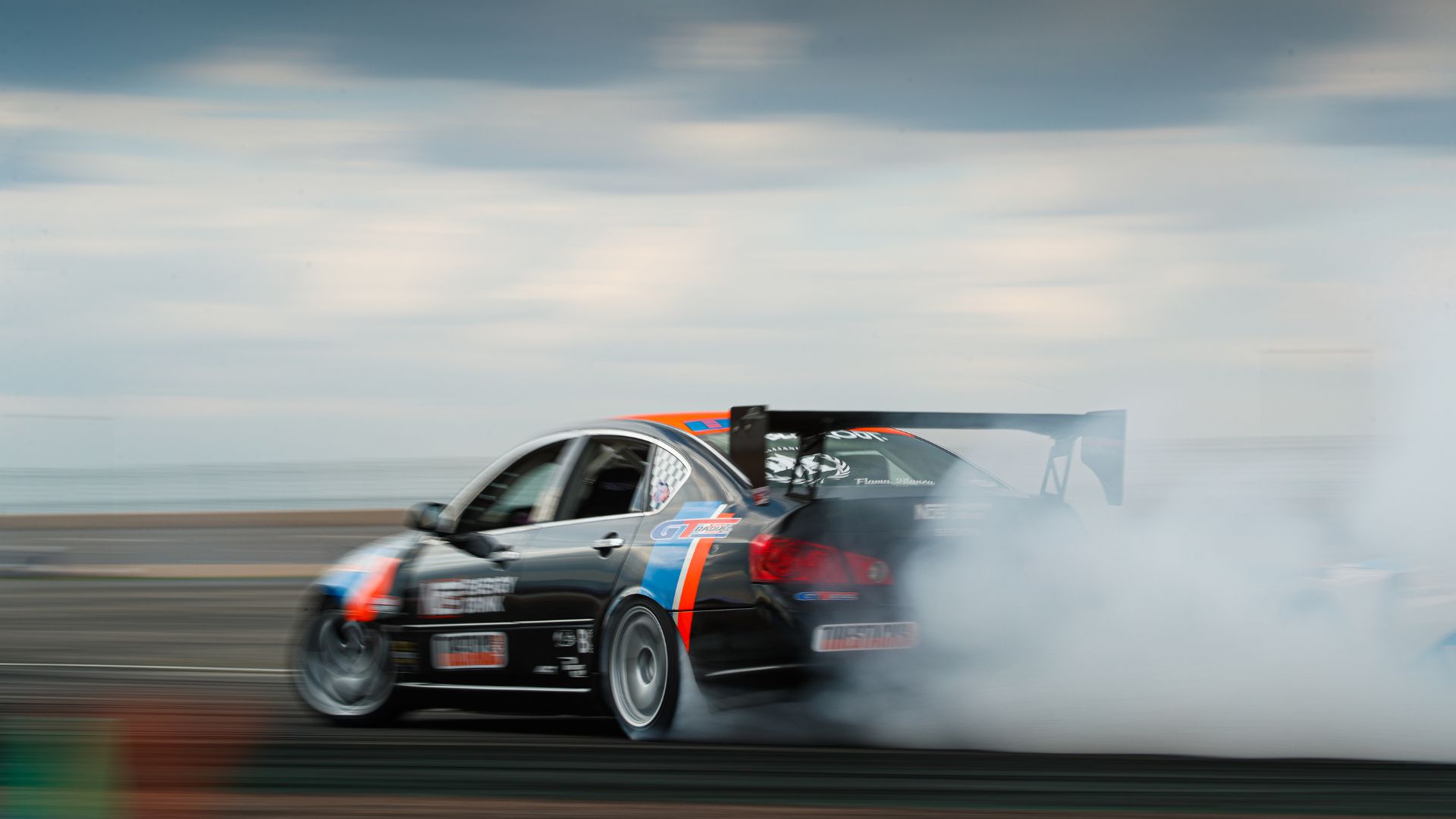
If you are into car racing, you will know how crucial every little tweak is to make a car efficient and faster. If not, you might have a good idea from movies like F1, Rush, or Ford v Ferrari.
In the current scenario, a race car driver finishes a practice lap, hops out, and tells the mechanic, “The car feels twitchy in the corners.” The mechanic nods, makes some adjustments based on experience and intuition, and the driver goes out again. Rinse and repeat—sometimes for hours—until they nail the perfect setup.
Now imagine if the car could actually understand that feedback, analyze thousands of data points in seconds, and tell you exactly what needs changing.
It’s what Toyota is working on, according to its patent application.
Why Race Car Tuning Is Surprisingly Messy
In motorsports, milliseconds matter. A perfectly tuned race car can mean the difference between the podium and packing up early. But even with all our modern technology, tuning a race car is still frustratingly human-dependent.
First, there’s the interpretation gap. What a driver means by “unstable” might not match what the mechanic thinks it means. Second, even when digital tuning software exists, it’s usually pretty dumb—following rigid rules rather than actually learning and adapting.
Third, simulation tools that could help require serious technical chops that most mechanics and drivers don’t have. And finally, testing every possible combination of settings through simulation would take forever and burn through computing power like crazy.
For a racing team working against the clock at a track, this inefficiency is expensive. For Toyota, thinking about future vehicles, it’s a fundamental problem that demands a smarter solution.
Enter the AI Tuning Assistant
Toyota’s proposed solution is an obvious one: combine machine learning with large language models to create a system that actually understands human feedback and automatically figures out the optimal vehicle setup.
Here’s how this AI-powered tuning system works in practice.
The System Listens and Learns
Before a test run, the system collects information from three sources: the driver’s comments (“car feels unstable on turns”), the mechanic’s observations (“suspension stiffness seems too low”), and raw sensor data from the vehicle itself—speed, tire temperature, traction levels, you name it.
The magic happens when the large language model translates those casual human observations into structured data that the machine learning model can actually work with. It’s like having a translator who speaks both human and machine.
Making Predictions and Recommendations
The ML model takes all this information and predicts how the car will perform under different conditions. More importantly, it figures out which parameters need adjusting—tire pressure, suspension stiffness, engine control settings—to improve performance.
The system analyzes patterns from previous tuning sessions, sensor data, and even simulated scenarios to determine the optimal configuration.
Turning Analysis Into Action
Once the system knows what needs changing, it handles both the digital and physical adjustments. For software-based settings, it automatically sends commands to the car’s Electronic Control Unit. For physical adjustments, it generates clear, step-by-step instructions for the mechanic—written in plain language by the LLM.
Imagine getting a custom manual that says exactly how to adjust the suspension for this specific car, in these specific conditions, based on this specific feedback. That’s what the AI is writing on the fly.
The Continuous Improvement Loop
After the car runs with the new settings, the system collects fresh performance data. It uses something called a Requirements as Code file to formalize what worked and what didn’t—basically turning test results into training material for the next round.
The ML model retrains itself using both real-world data from sensors and synthetic data created by the LLM, getting smarter with every session. Once it hits certain performance benchmarks, the improved model gets deployed for future tuning, and the cycle continues.
Why This Matters Beyond the Racetrack
Sure, this technology sounds perfect for motorsports, where shaving tenths of a second off lap times is worth millions. But Toyota’s thinking is bigger.
The same core principles could evolve into self-optimizing systems for everyday vehicles. Imagine your car automatically adjusting its suspension for a rough road, fine-tuning its efficiency for your daily commute, or adapting its performance based on weather conditions, all without you touching anything.
For electric and autonomous vehicles, this kind of intelligent, continuous adaptation is essential. These vehicles need to optimize battery life, manage power delivery, and adjust to countless variables in real-time. An AI system that learns from every drive and continuously improves is the foundation of smart vehicles.
Toyota isn’t just building a better race car tuning tool. They’re laying the groundwork for vehicles that think, learn, and optimize themselves that can turn cars into platforms that get better over time, just like the smartphones update and improve with each new version.